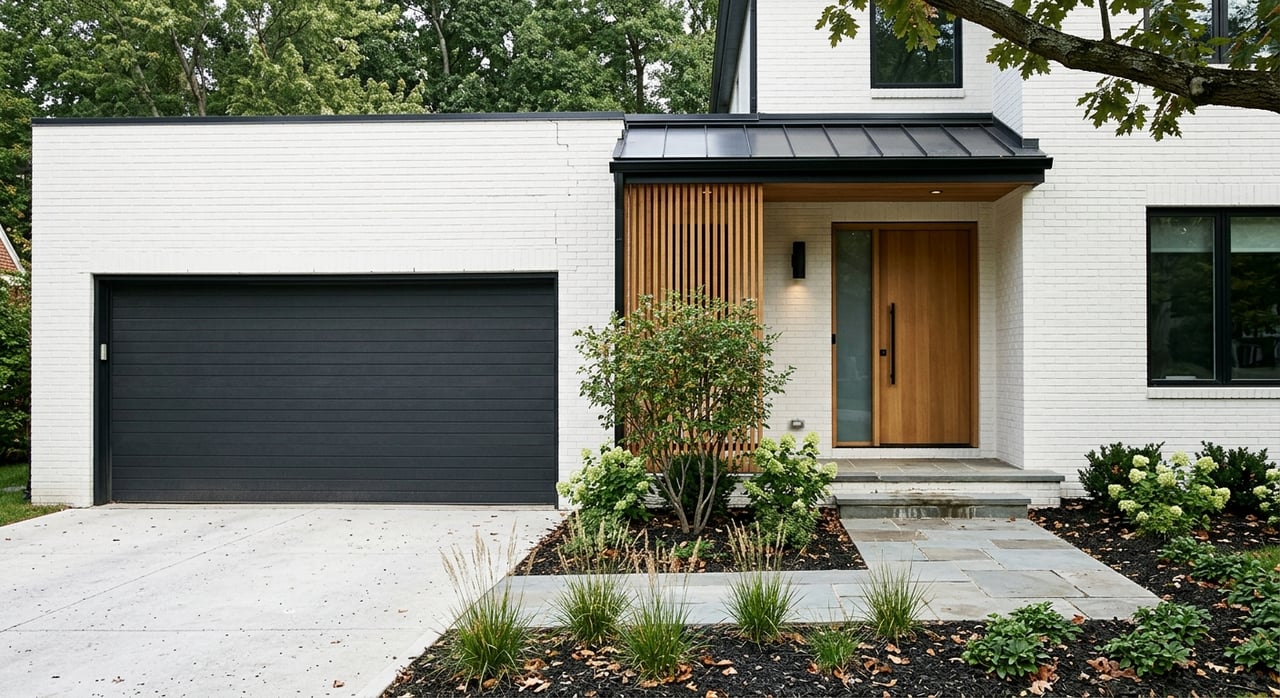
If you need easier access to O’Hare without giving up a true suburban feel, Itasca deserves a close look. For many buyers relocating from Chicago or another suburb, the challenge is finding a place that makes commuting practical while still feeling like home. In Itasca, you get a location near major routes and rail service, plus a more residential setting with a historic downtown, parks, and everyday convenience. Let’s dive in.
Why Itasca stands out for O’Hare commuters
Itasca sits in northeast DuPage County, about 25 miles from the Loop and about 10 miles from O’Hare, according to village information. The village also highlights its position at the crossroads of I-290 and IL-390, which is a major advantage if your workdays involve airport trips, office commutes, or regional travel.
That location gives you options. You are not limited to a single train line or a single driving route, which can matter a lot when your schedule changes from day to day. For relocators, that flexibility is often what turns a good commute into a manageable routine.
Driving access is a real plus
If you expect to drive to work or to the airport often, Itasca has a strong case. Village materials place the community near I-290 and IL-390, which helps connect you to O’Hare, the western suburbs, and downtown-bound routes.
That does not mean every trip will feel identical, of course. But from a location standpoint, Itasca gives you a practical launch point for commuters who need to move around the region without feeling too far from the airport corridor.
Metra adds another commuting option
For buyers who want an alternative to driving, Itasca is on Metra’s Milwaukee District West line. Metra lists Itasca between Wood Dale and Medinah, which makes rail service part of the village’s everyday commuter story.
That matters if you want a suburb where train access is built into the routine rather than treated as an afterthought. It also adds flexibility for households where one person drives and another prefers rail.
Station parking is simple and affordable
Practical details matter when you commute regularly. The village’s Metra parking information shows several daily parking lots with a posted daily fee of $1.50, along with quarterly permit parking options near Maple and Orchard.
For many buyers, that is the kind of detail that makes station use feel easier from the start. You can plan your routine with a clearer sense of cost and convenience.
VanGo helps with the last mile
One of Itasca’s more useful local features is Pace’s VanGo service. Pace identifies an Itasca Metra station zone and describes VanGo as a reservation-based round-trip service from the station to a job site or another public transit connection for $5 per day, with service from 6:00 a.m. to 9:00 p.m.
If your work location is not right next to the train, that can be a meaningful advantage. It gives some commuters a practical first- and last-mile option that goes beyond the standard park-and-ride setup.
Itasca feels more residential than airport-first
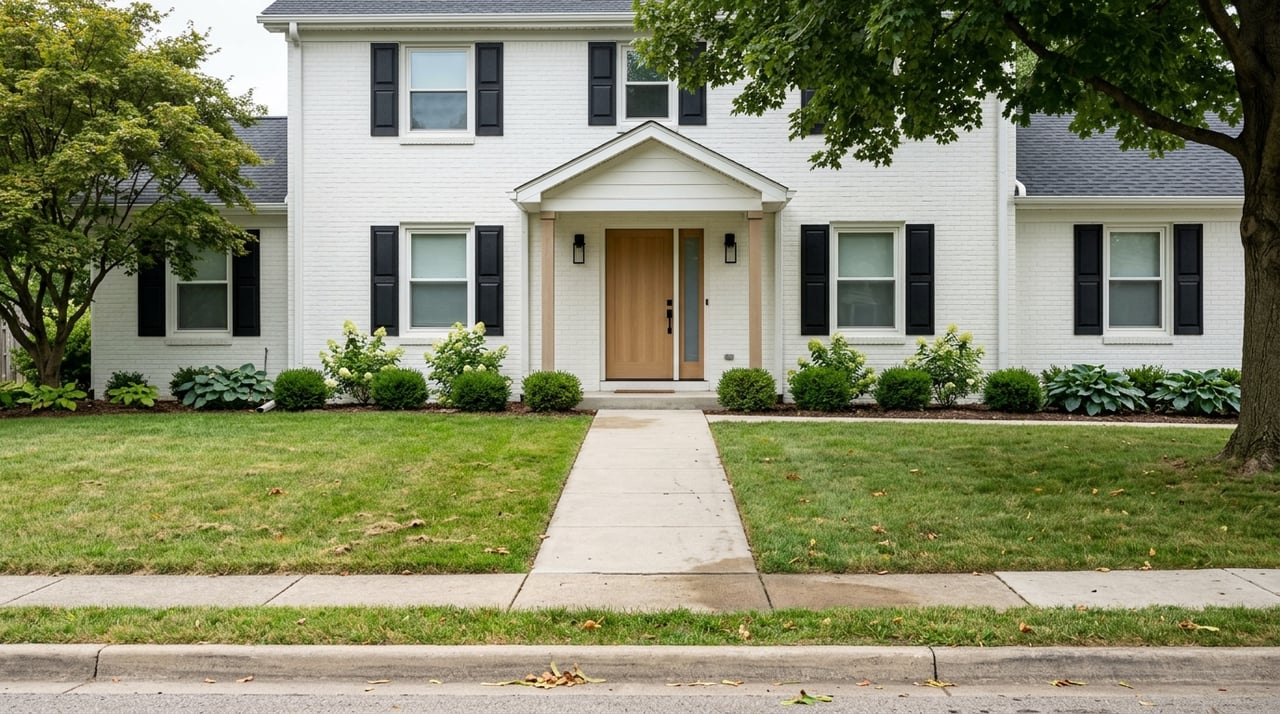
A big part of Itasca’s appeal is balance. Based on village, zoning, development, and Census information, Itasca reads as primarily residential and owner-occupied, with a historic housing base and a smaller downtown mixed-use layer rather than a dense apartment-only profile.
That distinction matters if you want to live near O’Hare without feeling like you live in an airport support zone. Itasca offers strong access, but the overall identity is more neighborhood-oriented and rooted in everyday residential life.
What housing looks like in Itasca
Official village sources point to homes and buildings dating back to the 1850s in the historic downtown and surrounding neighborhoods. The historic district boundaries reflect the village’s original 1889 incorporation, which gives parts of Itasca an older, established look that you do not always find in airport-adjacent suburbs.
At the same time, the village’s downtown transit-oriented district is planned as a compact, walkable mixed-use area with residential, retail, limited office, government facilities, and outdoor recreation. That creates a blend of older homes, established residential streets, and newer downtown development.
Downtown housing is evolving
The village’s FY 2024-25 annual report says Itasca Station is a planned five-story mixed-use project with 87 luxury apartments, retail space, and covered parking. For relocators, that signals some growth in newer housing choices near the station area.
Even with that addition, the broader picture still looks more ownership-oriented than apartment-heavy. Census data reports an owner-occupied housing rate of 69.3%, which supports the idea that Itasca remains a suburb where ownership plays a major role in the housing mix.
Snapshot of Itasca housing and demographics
Census data provides useful context for buyers comparing suburbs. Itasca’s 2025 population estimate is 9,488, the median value of owner-occupied housing units is $390,800, the median gross rent is $1,892, and median household income is $114,294.
Those figures suggest a relatively stable, upper-middle-income suburb with a strong ownership pattern. The same Census source reports a mean travel time to work of 25.9 minutes, which fits the village’s broader commuter-friendly profile.
Daily life goes beyond the commute
A relocation decision is never only about how fast you can get to the airport. You also want to know what life feels like on a weeknight, on a Saturday morning, or when family comes to visit.
The village describes Itasca as having award-winning parks, trails, and recreation facilities. It also points to places like Springbrook Nature Center, Usher Park, and the Itasca Riverwalk as key outdoor anchors.
Community events add local rhythm
Village event information also helps paint the picture. Itasca’s calendar includes events such as Walnut St. Market, ItascaFest, the Summer Concert Series, and Oktoberfest.
That matters because it suggests a community with a regular local rhythm, not just a place people pass through on the way to work. For many relocators, that kind of consistency helps a new suburb feel more settled, more quickly.
Short stays are easier to manage
If you are visiting before a move, Itasca also supports the logistics of relocation. The village says there are hotels and extended-stay accommodations in town, along with local dining and shopping options.
That can make house-hunting trips easier to organize, especially if you are balancing tours, work obligations, and airport travel. It is a small detail, but useful when you are trying to evaluate a community efficiently.
Bike and transit flexibility help
Itasca’s transportation options are not limited to driving and rail. The village notes that Pace buses have bike racks, that the Itasca Metra station and many nearby Metra stations have bicycle racks, and that Metra allows bicycles on trains during weekday off-peak hours and on weekends.
For some buyers, that will not be the main reason to choose Itasca. Still, it adds flexibility for errands, station access, and occasional car-light days.
How Itasca compares nearby
If you are choosing among O’Hare-area suburbs, Itasca often stands out because it feels like a middle ground. It offers strong airport and highway access, but official materials and local development patterns point to a more residential and historic identity than some nearby alternatives.
That can be helpful if you are comparing not just commute times, but also what kind of environment you want around you after work.
Compared with Schiller Park
Schiller Park’s official transportation materials emphasize air, train, bus, and car access, along with a Metra North Central Service station within minutes of O’Hare and I-294 running through the village. Based on those official materials, Schiller Park reads more as a direct airport-access option.
Itasca, by comparison, looks more balanced. You still get strong airport convenience, but with a more residential setting and a distinct downtown identity.
Compared with Wood Dale
Wood Dale also makes a strong commuter case. The city highlights its Metra depot, daily station access hours, seating, washrooms, concessions, bike locker rentals, and MD-W service.
For pure station convenience, Wood Dale is clearly commuter-friendly. But based on official materials, Itasca leans more heavily into its historic downtown setting and mixed-use village core.
Compared with Bensenville and Elk Grove Village
Bensenville stands out for practical station access and major roadway connections, including Route 83, Irving Park Road, I-294, and I-290. That can appeal to buyers who want a highly functional access suburb with a station-centered downtown area.
Elk Grove Village presents a different profile. Official village materials emphasize its large business park, the employment base near O’Hare, and major expressway access, which creates a more employment-dense environment. Relative to that, Itasca feels more focused on residential life while still staying well connected.
Why relocators often like Itasca
For city-to-suburb buyers, Itasca checks several important boxes at once. You get proximity to O’Hare, access to major roads, a Metra stop, practical station parking, and a local downtown district with a walkable mixed-use focus.
Just as important, the village offers more than commuting infrastructure. Historic homes, parks, trails, events, and a primarily owner-occupied housing base create a setting that feels established rather than purely utilitarian.
If your goal is to stay close to the airport corridor without living in a place that feels defined only by the airport, Itasca makes a compelling case. It offers convenience, but it also offers context, character, and a more residential pace of life.
If you are weighing a move to Itasca or comparing it with other northwest and western suburbs, GetBurbed can help you narrow the options, understand the local housing mix, and build a relocation plan that fits your commute and lifestyle.
FAQs
How close is Itasca to O’Hare Airport?
- According to village information, Itasca is about 10 miles from O’Hare.
How far is Itasca from downtown Chicago?
- The village says Itasca is about 25 miles from the Loop.
Does Itasca have a Metra station for commuters?
- Yes. Itasca is a stop on Metra’s Milwaukee District West line.
Is parking available at the Itasca Metra station?
- Yes. The village lists several daily parking lots at $1.50 per day, plus quarterly permit parking options near the station area.
What types of homes can you find in Itasca?
- Official sources point to historic homes and buildings dating to the 1850s, along with a mixed-use downtown district and newer apartment development near the station.
Why do O’Hare-area buyers consider Itasca?
- Itasca combines strong commuter access with a more residential setting, a historic downtown, parks, trails, and community events.