By GetBurbed
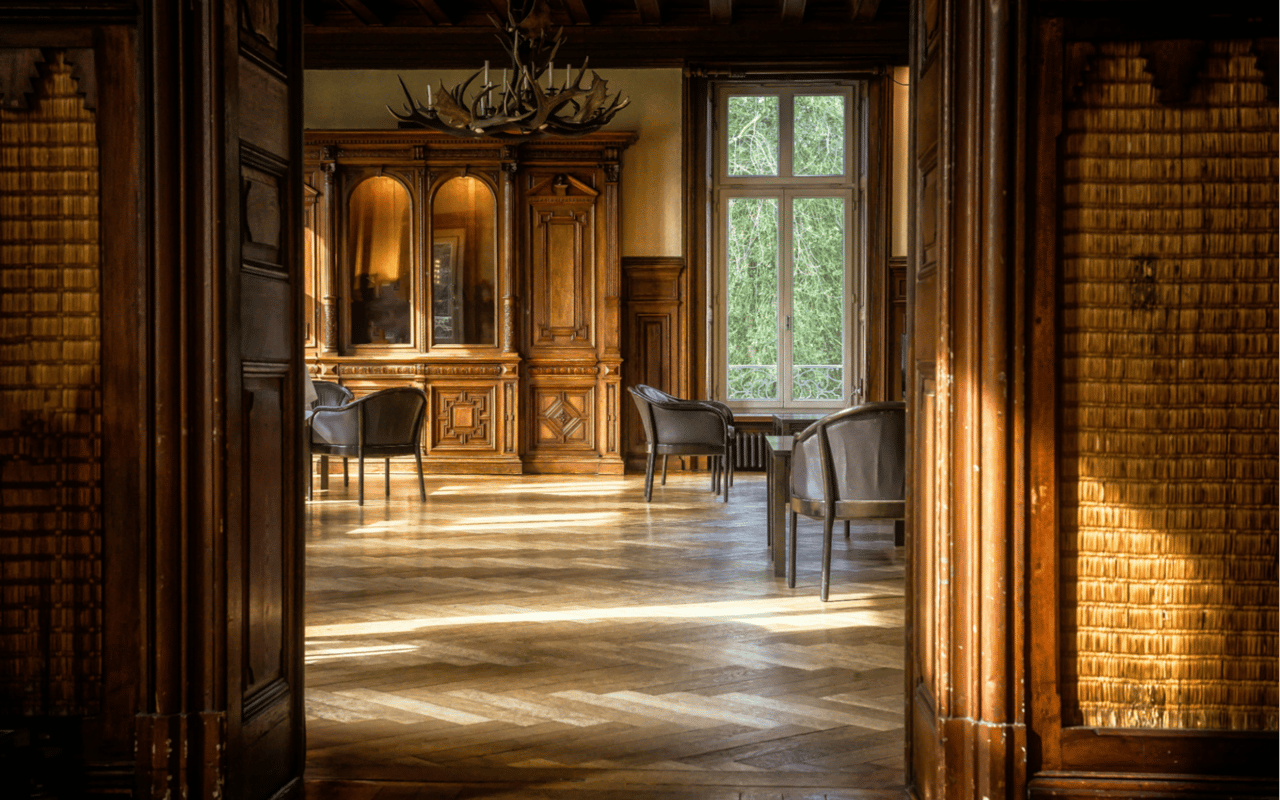
We spend a lot of time talking with homeowners who love the charm of an older property but feel unsure about how to decorate it without losing its soul. Historic homes have layers of character that newer builds simply can’t replicate, yet decorating them requires a thoughtful balance of respect and restraint. The goal isn’t to freeze a home in time or overwhelm it with period pieces. When historic home decor is done well, it highlights original features while allowing the home to function comfortably for today’s lifestyle.
Key Takeaways
- Historic home decor should highlight original features, not compete with them.
- A balanced approach blends timeless elements with modern comfort.
- Materials, color, and scale matter more in older homes.
- Thoughtful decorating protects long-term character and value.
Start by Understanding the Home’s Era
Every historic home tells a story.
Why Architectural Context Matters
What We Recommend Learning First
- Approximate build period: Helps guide design choices.
- Original architectural details: Moldings, floors, windows, and fireplaces.
- Renovation history: What’s original versus updated.
Historic home decor feels more intentional when it aligns with the home’s original design language instead of fighting against it.
Let Original Features Lead the Design
Historic details should set the tone.
How to Highlight What’s Already There
Features Worth Emphasizing
- Woodwork and trim: Keep finishes clean and visible.
- Original flooring: Anchor rooms with natural materials.
- Architectural symmetry: Respect existing proportions.
When original features are treated as focal points, the rest of the decor naturally falls into place.
Choose Colors That Complement the Structure
Color choices carry extra weight in older homes.
Why Color Selection Matters
Smart Color Guidelines
- Soft neutrals: Let details stand out without distraction.
- Muted tones: Work better than overly bright shades.
- Consistent palettes: Support flow between rooms.
Historic home decor often benefits from colors that feel grounded and timeless rather than trendy.
Balance Period Style With Modern Comfort
Living in a historic home shouldn’t feel restrictive.
How to Blend Old and New
Practical Blending Tips
- Modern furniture shapes: Paired with classic materials.
- Updated lighting: That respects scale and placement.
- Comfort-first seating: Without overpowering rooms.
This balance allows the home to feel livable while still honoring its history.
Pay Attention to Scale and Proportion
Older homes often have unique dimensions.
Why Scale Is Critical
What to Watch For
- Ceiling heights: Furniture should match vertical space.
- Room size: Avoid oversized pieces that dominate.
- Visual weight: Mix lighter and heavier elements thoughtfully.
Historic home decor works best when furnishings feel appropriate to the room’s original proportions.
Use Materials That Feel Authentic
Materials matter more than patterns.
Choosing the Right Textures
Materials That Age Well
- Natural wood: Adds warmth and continuity.
- Stone and metal accents: Feel historically grounded.
- Linen and wool textiles: Offer softness without flash.
Authentic materials help historic interiors feel cohesive rather than staged.
Avoid Over-Theming the Space
Subtlety preserves authenticity.
Why Less Is Often More
Common Decorating Pitfalls
- Too many antiques: Can feel museum-like.
- Overly literal decor: Period replicas everywhere.
- Cluttered displays: Distract from architecture.
Historic home decor should feel lived-in, not curated for display.
Modern Lighting Makes a Big Difference
Lighting updates can be transformative.
How to Update Lighting Thoughtfully
Lighting Strategies
- Layered lighting: Ambient, task, and accent.
- Simple fixtures: That don’t compete with details.
- Warm tones: Enhance historic materials.
Good lighting supports both functionality and atmosphere without altering character.
Rugs and Textiles Add Warmth Without Permanence
Soft goods offer flexibility.
Why Textiles Are Helpful
Easy Decor Wins
- Area rugs: Define spaces and protect floors.
- Curtains: Frame windows without hiding trim.
- Throw pillows: Add color subtly.
These elements allow homeowners to adjust historic home decor without making permanent changes.
Respect the Flow Between Rooms
Historic homes often emphasize separation.
Creating Cohesion Throughout the Home
Flow-Friendly Tips
- Repeat materials: Across rooms for continuity.
- Vary tones slightly: To keep spaces distinct.
- Maintain visual rhythm: Through consistent finishes.
Flow helps the home feel intentional rather than pieced together.
Art and Accessories Should Feel Curated
Accessories tell the personal story.
How to Style Without Overcrowding
Styling Guidelines
- Select fewer pieces: With meaning or visual impact.
- Mix old and new art: For balance.
- Leave breathing room: Around focal points.
Historic home decor benefits from thoughtful restraint rather than abundance.
Storage Solutions Need to Be Subtle
Function matters, but so does appearance.
Adding Storage Without Disruption
Smart Storage Ideas
- Furniture with built-in storage: Benches or cabinets.
- Freestanding pieces: That don’t require installation.
- Closed storage: Keeps visual clutter minimal.
These choices support modern living while respecting historic integrity.
Decorating With Long-Term Care in Mind
Preservation and style should coexist.
Why Thoughtful Decor Protects Value
Long-Term Benefits
- Reduced wear: On original surfaces.
- Easier updates: Without permanent alterations.
- Buyer appeal: When character remains intact.
Historic home decor plays a role in protecting the home’s future as much as its present beauty.
Why Guidance Helps With Historic Homes
Perspective prevents costly mistakes.
How We Help Homeowners Navigate Decor Choices
Our Approach
- Understanding neighborhood character: Context matters.
- Balancing lifestyle and preservation: Practical solutions.
- Encouraging thoughtful updates: That respect originality.
Decorating an older home feels more manageable with the right framework and support.
FAQs
Can you mix modern furniture in a historic home?
Yes. Modern pieces often work well when paired thoughtfully with original details.
Should historic homes only use period decor?
No. Balance is key. The goal is harmony, not strict historical accuracy.
Does decorating impact resale value?
Yes. Thoughtful historic home decor can enhance buyer appeal while preserving character.
Contact GetBurbed Today
If you’re living in or considering a historic home and want guidance on decorating with intention, we’re here to help. We work with homeowners who want to honor the past while creating spaces that function beautifully today.
When you’re ready to explore neighborhood insights or talk through homeownership questions, reach out to us at GetBurbed. We’ll help you approach historic home decor with confidence, clarity, and respect for what makes your home special.