Selling your home in Mount Prospect can feel simple from the outside, but once you get into pricing, prep, taxes, disclosures, and closing details, it quickly becomes clear that a strong result takes a plan. If you want to sell with less stress and protect your net proceeds, it helps to know what to do first, what matters most, and where local sellers often get tripped up. This guide walks you through the process step by step so you can move forward with more confidence. Let’s dive in.
Understand the Mount Prospect market
Before you make repairs or choose a list date, you need a realistic read on today’s market. In Mount Prospect, the market is active and fairly competitive, but it is not a market where you can rely on guesswork.
According to Redfin’s Mount Prospect market data, February 2026 showed a median sale price of $378,500, about 42 days on market, and roughly three offers on average. Other public sources in the 60056 ZIP code show somewhat different numbers, but the direction is similar: well-priced homes are still moving, though sellers should expect some negotiation and should price from current local comparable sales rather than from a single online estimate.
Start with your timeline
One of the most common seller mistakes is waiting too long to prepare. If you think you may sell within the next year, it is smart to work backward from your ideal listing window.
Realtor.com’s home prep guidance says 53% of sellers take about a month to get market-ready. Its 2026 research also points to April 12 through 18 as the strongest national week to list, while noting that local markets can peak earlier or later, which is why early planning matters.
A simple timeline often looks like this:
- 1 to 3 months before listing: review pricing, make a prep plan, and identify any repairs
- 2 to 4 weeks before listing: declutter, deep clean, improve curb appeal, stage, photograph, and finalize pricing
- Listing week: launch marketing, schedule showings, and prepare for an open house
- After acceptance: move through inspection, appraisal, title work, financing, and closing steps
Prepare your home for the market
You do not need a perfect house to sell well, but you do need a home that feels clean, cared for, and easy for buyers to understand. Buyers respond to presentation, and that affects both showing activity and offer quality.
In the weeks before listing, focus on the basics first. That usually means decluttering, deep cleaning, taking care of visible repairs, and improving curb appeal. NAR’s consumer guide on marketing your home also notes that staging, professional photography, social media, signage, open houses, and MLS exposure can all play a role in how broadly your home reaches buyers.
For most Mount Prospect sellers, the best return comes from smart presentation, not over-renovation. In other words, prioritize condition and marketability over chasing cosmetic perfection.
Focus on high-impact prep
If you are deciding where to spend time or money, start with the items buyers notice right away:
- Clean surfaces, floors, windows, and bathrooms
- Reduced clutter in closets, counters, and storage areas
- Minor repairs such as paint touch-ups, loose hardware, or damaged trim
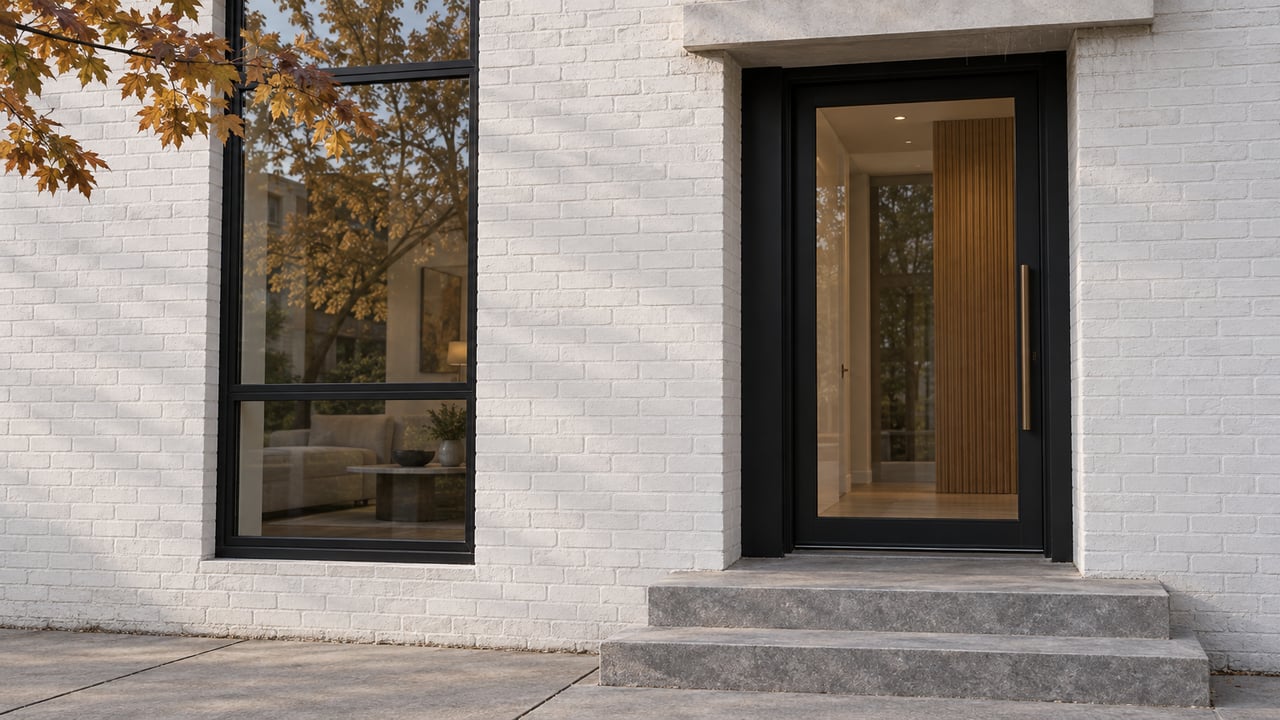
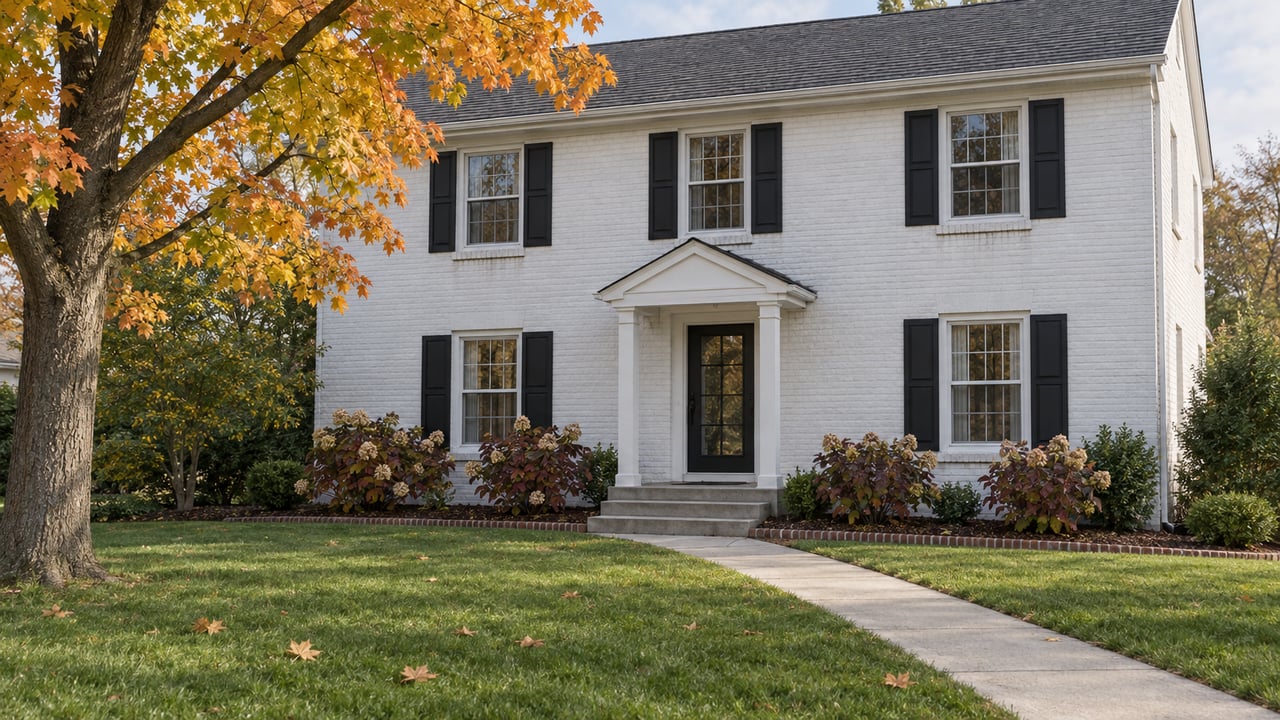
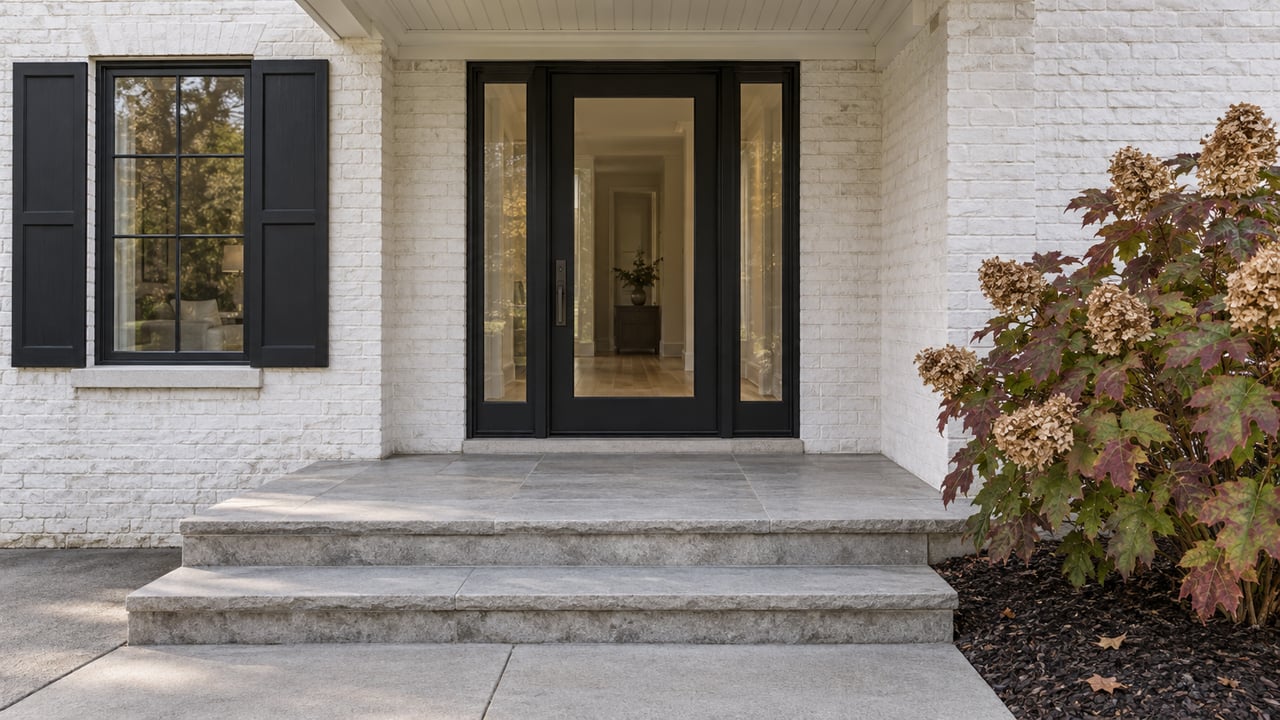
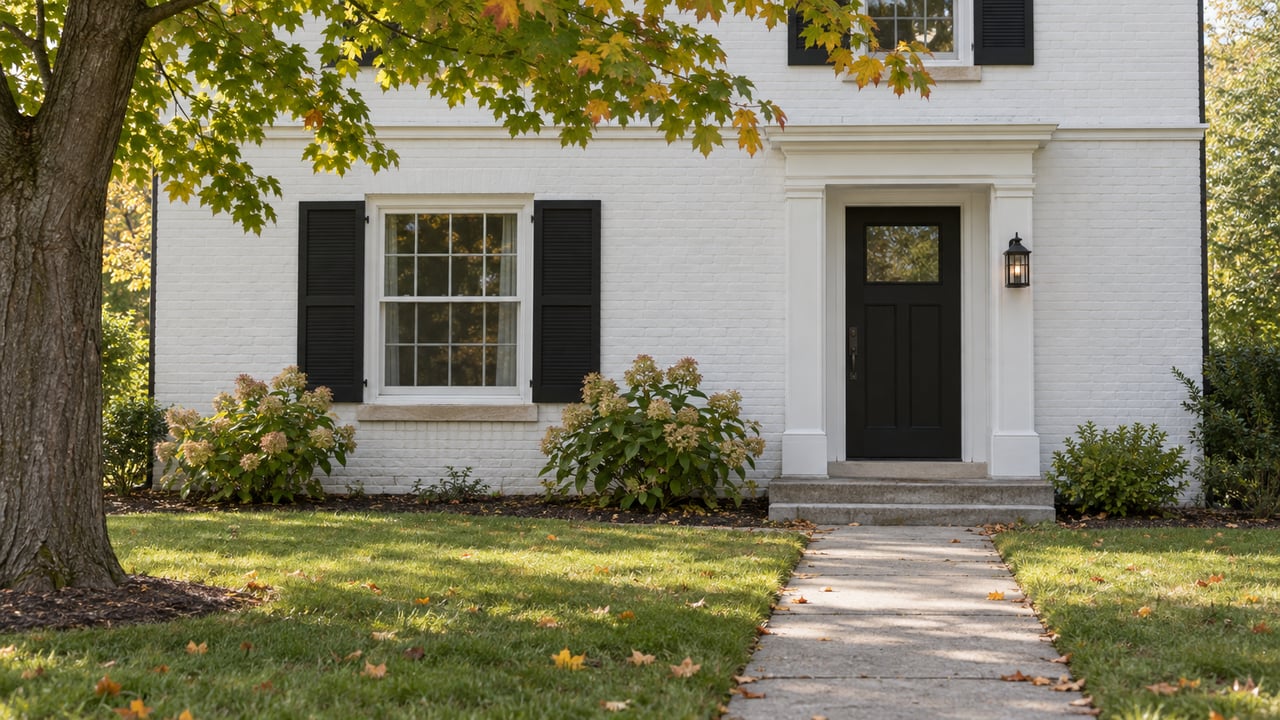
- Fresh landscaping and a tidy front entry
- Furniture layout that makes rooms feel open and functional
Price from current comps
Pricing is one of the biggest levers in your entire sale. Price too high, and you may lose early momentum. Price too low without a strategy, and you may leave money on the table.
Because public websites use different geographies and methods, they can be useful for broad context but not for final pricing. In Mount Prospect, where market conditions are active but buyers are still negotiating, pricing from current local comparable sales is the safer approach.
A strong pricing strategy should reflect:
- Recent sales that truly compete with your home
- Current active and pending listings
- Your home’s condition and updates
- Buyer expectations for your price point
- Likely negotiation room in the current market
Launch with strong marketing
Once your home is market-ready and priced well, your launch matters. Early exposure helps you capture the most serious buyers while your listing is still fresh.
NAR explains that broad exposure often comes from a mix of MLS placement, professional photography, social media, signage, staging, and open houses. It also notes that a first open house the weekend after the home goes live can help maximize visibility.
For sellers, the practical takeaway is simple: presentation and reach work together. A well-prepared home with a strong launch gives buyers a better first impression and can increase your odds of attracting competitive interest.
Plan for showings and open houses
Once your listing is live, convenience matters. Buyers need a real chance to see the home, and delays or overly tight showing windows can reduce interest.
Showings allow buyers to walk through the property in person, while open houses let multiple buyers tour in a short period of time. If your schedule allows it, making the home easy to show in the first days on market can help you capture the strongest demand.
Make the home easy to visit
Try to prepare for a few weeks of flexibility. That can mean:
- Keeping surfaces clear day to day
- Having a quick routine for lights, blinds, and tidying
- Making arrangements for pets during showings
- Leaving the home during private showings and open houses
Review offers carefully
The highest offer is not always the best offer. Price matters, but so do financing terms, contingencies, timing, and the overall likelihood that the deal will close smoothly.
As you review offers, look at the full picture:
- Purchase price
- Financing type and strength
- Inspection terms
- Appraisal risk
- Requested closing date
- Any seller credits or special terms
In an active market, a competitively priced home may draw multiple offers, but even then, careful review is important. The goal is not just acceptance. The goal is a clean path to closing.
Handle Illinois disclosures correctly
Illinois sellers have specific disclosure responsibilities, and this is not an area to rush. The Illinois Residential Real Property Disclosure Report law is designed to give buyers information about material defects, and the statutory form makes clear that completing it can create legal obligations for the seller.
Just as important, Illinois law states that if you learn before closing that an earlier disclosure was inaccurate, you must provide a written supplemental disclosure. That means your disclosure obligations do not necessarily end once the form is first completed.
Know the lead paint rule
If your home was built before 1978, federal lead-based paint rules may apply. The EPA explains that sellers of most pre-1978 housing must disclose known lead-based paint and lead hazards and provide the required lead hazard information pamphlet before the sale.
Estimate your net proceeds early
Many sellers focus on list price but do not get clear on net proceeds until late in the process. In Mount Prospect, that can be a problem because the local tax picture is more layered than many owners expect.
The Village of Mount Prospect notes that the community includes 34 separate taxing districts, and most individual tax bills include 16 or 17 districts. That can make prorations and net-sheet estimates more complicated than they first appear.
This is why it is smart to request estimates early for:
- Seller net proceeds
- Property tax prorations
- Transfer taxes and stamps
- Expected closing-related costs
Understand transfer taxes in Mount Prospect
Local and state transfer taxes can affect your bottom line, so it helps to understand them well before closing. Mount Prospect’s transfer-tax form shows a local tax of $3.00 per $1,000 of full actual consideration, and the village also states that unresolved code violations or compliance orders can prevent the transfer stamp from being issued.
You can review the village’s real estate transfer-tax form and requirements before you list. On the state side, the Illinois Department of Revenue says the state real estate transfer tax is $0.50 per $500 of value, and counties may impose an additional $0.25 per $500.
The practical move is to confirm filing and stamp requirements with your title company and municipality early, not at the closing table.
Expect several weeks from contract to close
Accepting an offer is a major milestone, but it is not the finish line. The period between contract and closing usually includes financing approval, appraisal, title work, and inspection-related steps.
According to NAR’s guide to the steps between signing and closing, most pending sales settle within one to two months, and more than 80% settle within two months. The CFPB timing rule referenced in that guide also means the buyer must receive the Closing Disclosure at least three business days before closing, which can affect final scheduling.
Common closing steps
After you accept an offer, expect the process to include:
- Earnest money delivery and contract deadlines
- Inspection and any repair negotiations
- Buyer financing and appraisal
- Title search and transfer-tax paperwork
- Final closing figures and closing disclosure timing
- Final walk-through and closing day
A simple selling checklist
If you want to keep the process organized, use this basic checklist:
- Decide on your target move and list timing
- Review current Mount Prospect comps
- Make a prep and repair plan
- Declutter, clean, and stage the home
- Prepare disclosures and lead-paint documents if needed
- Estimate taxes, prorations, and transfer stamps
- Launch with strong photography and marketing
- Keep showing access as open as possible
- Review offers based on price and terms
- Stay on top of inspection, title, and closing deadlines
Selling a home in Mount Prospect is rarely about just putting a sign in the yard and hoping for the best. The sellers who usually have the smoothest experience are the ones who prepare early, price from current local data, market the home well, and get ahead of the tax and disclosure details that can slow things down later.
If you want a tailored strategy for your sale, GetBurbed can help you map out pricing, prep, marketing, and the key steps that protect your timeline and your bottom line.
FAQs
What is the Mount Prospect housing market like for home sellers?
- Mount Prospect is active and fairly competitive, with public market data showing homes are still selling when priced well, though sellers should expect some negotiation and use current local comps to set price.
How long does it take to prepare a home for sale in Mount Prospect?
- Realtor.com reports that 53% of sellers take about a month to get market-ready, so many Mount Prospect sellers benefit from starting prep several weeks before listing.
What disclosures do Illinois home sellers need to complete?
- Illinois sellers generally need to complete the Residential Real Property Disclosure Report, and if they learn before closing that a prior disclosure was inaccurate, they must provide a written supplemental disclosure.
Do Mount Prospect home sellers pay a transfer tax?
- Yes. Mount Prospect’s local transfer tax is $3.00 per $1,000 of full actual consideration, and state and possible county transfer taxes may also apply.
How long does closing usually take after accepting an offer in Illinois?
- NAR says most pending home sales settle within one to two months, although inspection, financing, appraisal, title, and disclosure timing can affect the exact schedule.
Why should Mount Prospect sellers estimate property tax prorations early?
- Mount Prospect has a layered property-tax structure with many taxing districts, which can make prorations and net proceeds more complex than sellers expect.