Old-house charm can be easy to fall for, but buying a historic home in Barrington takes more than a quick emotional yes. You want the character, the porch, the original details, and the sense of place, but you also want to understand what you are really buying. If you know how to evaluate style, past updates, and future approval requirements, you can shop with far more confidence. Let’s dive in.
Know what counts as historic
Barrington’s Historic District is listed on the National Register of Historic Places, and the Village describes it as one of the largest frame-home districts in Illinois. The local survey notes that the area was first surveyed in 1984, became the Historic Preservation Overlay District in 2001, and includes more than 350 properties. Most contributing structures were built between 1880 and 1939.
That said, not every home with a Barrington mailing address falls under Village historic rules. Some properties are outside the Village’s building and zoning jurisdiction, even if the mailing address says Barrington. Before you get too far into a purchase, confirm whether the property is actually inside Village boundaries and whether it sits within the Historic Overlay District.
Learn the main Barrington styles
You do not need to become an architectural historian before you tour homes. Still, having a basic feel for Barrington’s common styles can help you spot whether a house looks intact, altered, or thoughtfully updated.
Folk and Foursquare homes
Barrington’s guidelines describe Folk houses as the district’s most common style. You will often see Gable Front, Gabled Ell, and American Foursquare forms with simple massing, full-width porches, and straightforward columns. These homes can look modest at first glance, so small exterior changes often stand out more than they would on a more ornate house.
Craftsman and bungalow homes
Craftsman homes in Barrington are mainly from the early 1900s through the 1920s. Common features include side-facing gables, full-width front porches, tapered columns, exposed rafter ends, and siding such as stucco, wood lap, or shingles. When these homes keep those details, they usually read as cohesive and true to the original design.
Victorian and Queen Anne homes
If you are shopping on or near West Lake Street, you may see Queen Anne examples from the late 1800s and early 1900s. These homes often have steep and complex rooflines, towers, bay windows, mixed siding materials, and wraparound porches with ornate trim. They can be visually stunning, but they also tend to have more exterior details to maintain.
Tudor Revival homes
Many of Barrington’s Tudor Revival homes were built in the 1920s and 1930s. Look for steep side gables, casement windows, diamond-pattern muntins, stucco or brick exteriors, and arched openings. Some also include round towers with conical roofs, which gives them a very distinct street presence.
Colonial Revival and Dutch Colonial homes
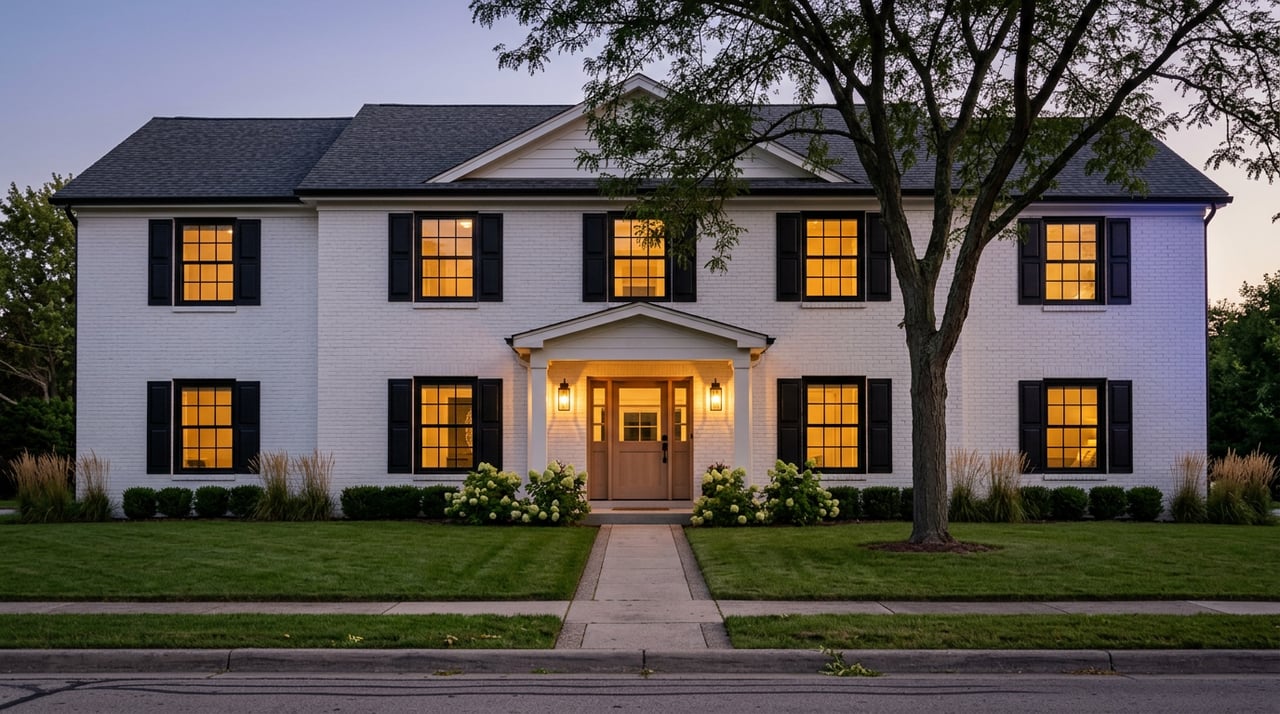
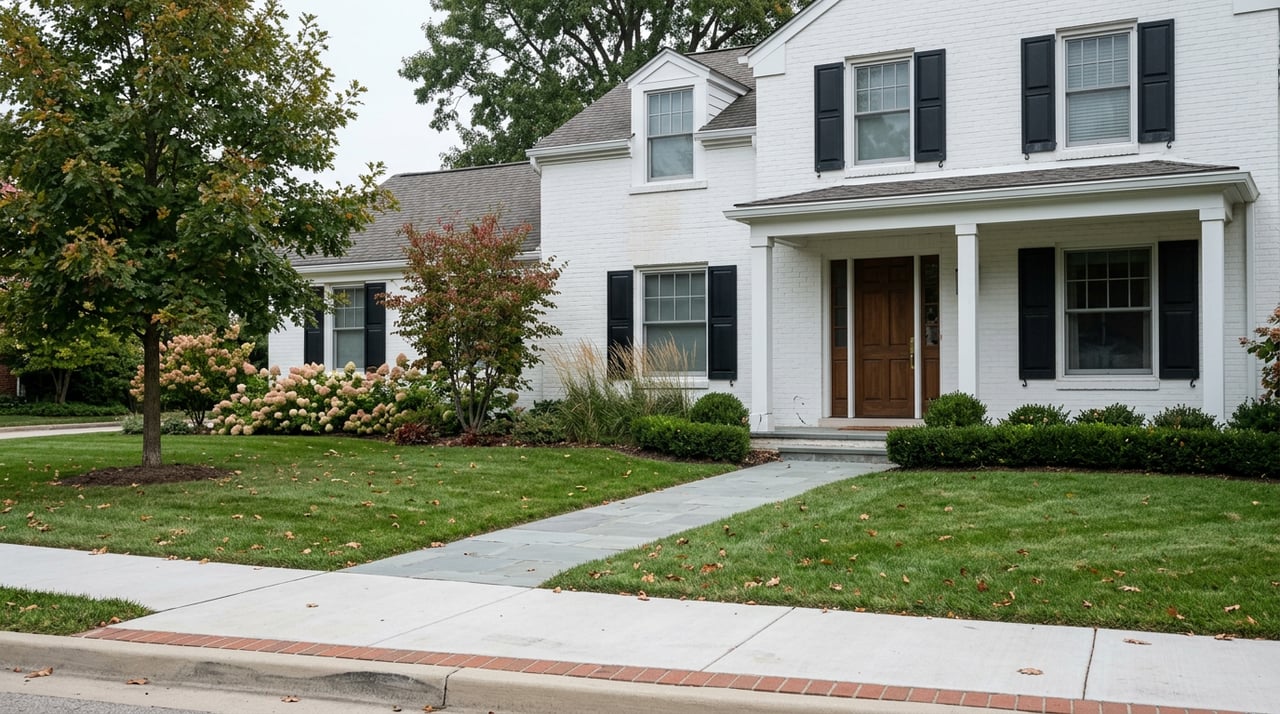
Most Colonial Revival examples in Barrington were built after 1920. Typical features include rectangular plans, side-facing gables, pedimented entries, columns or pilasters, and paired double-hung windows. Dutch Colonial versions often add gambrel roofs and shed dormers.
Italianate details
Barrington’s Italianate examples are often Folk homes with Italianate influence rather than full Italianate compositions. A common clue is decorative paired brackets at the eaves, often paired with trim above windows. These details may seem small, but they can be important to the home’s overall historic character.
Look past charm and study the updates
In Barrington, one of the smartest ways to shop historic homes is to assess the house itself, the quality of prior changes, and the path for future work all at once. A beautiful home can still come with expensive surprises if updates were poorly matched to the original structure or if your future plans require a longer approval process.
Rear additions usually make more sense
Barrington’s guidelines generally prefer rear additions over front or highly visible side additions. Additions should be secondary and subordinate to the original house and should stay compatible in roof shape, pitch, materials, color, and the rhythm of windows and doors. If you see an addition that overwhelms the main house, raises the roofline, or alters a prominent front porch, that is worth a closer look.
Windows tell you a lot
Original windows are often repaired instead of replaced in historic homes. If replacement is necessary, Barrington prefers historically dimensioned windows in the original openings with the right sash pattern for the home’s style. Snap-on or flush muntins are not the preferred approach, so if you see them, ask when the work was done and whether approvals were obtained.
Porches matter in Barrington
Porches are one of the defining features of many Barrington historic homes. The Village generally prefers repair or recreation of original porches and discourages enclosing front porches. If a porch was enclosed, especially at the front, ask whether that change was approved and how it fits with the home’s historic character.
Siding choices can affect compatibility
Barrington discourages vinyl and aluminum siding in the district and recommends smooth wood or closely matching smooth alternatives. Replacement shingles should match the original design and texture. If you are looking at a home with newer siding, ask whether the material and finish were chosen to align with local guidelines.
Energy updates can still be appropriate
Historic-home ownership does not mean you have to give up practical improvements. Barrington considers storm windows and storm doors appropriate when they are full-view or aligned with the historic meeting rail. That means you may find homes that balance older character with more manageable energy performance.
Ask better questions during showings
When you tour a historic home, it helps to go in with a short list of practical questions. The goal is not to find a perfect house. The goal is to understand what is original, what has changed, and what that could mean for your costs and timeline.
Ask questions like these during or right after a showing:
- Is the home inside the Village boundaries and the Historic Overlay District?
- Is the structure classified as contributing or noncontributing?
- Which exterior features appear original?
- Have windows, siding, roofing, gutters, or porches been replaced or altered?
- Were additions placed at the rear and designed to stay secondary to the original house?
- Is there documentation for past exterior work or approvals?
Bring in the right inspector
A historic home inspection should go beyond surface-level cosmetics. You want an inspector who can clearly explain present condition and signs of prior water or structural issues, especially in an older house.
Here are smart questions to ask:
- Are there signs of dampness, water intrusion, or foundation settlement?
- Do you see cracked foundations, staining, mold, efflorescence, or bulging walls?
- What is the condition of the roof, gutters, electrical, plumbing, and mechanical systems?
- If the home was built before 1978, should I consider a lead-based paint inspection or risk assessment?
- Do you see damaged paint, worn windows, doors, or friction surfaces that may create lead dust?
If the house is in the district, it is also worth asking where you can find historical records. The Village maintains a digital database of historic property surveys, and the Barrington Area Historical Society may also have useful information.
Vet your contractor before you close
If you already know you want to make changes after closing, talk with a contractor early. In Barrington, your plans may be shaped not only by budget, but also by district standards and approval timing.
Ask a contractor these questions before you move forward:
- If windows or siding need replacement, will the proposal keep the original openings, proportions, and trim profiles?
- If I want an addition, can it be placed at the rear and remain subordinate to the original house?
- Will this work require a Certificate of Appropriateness, a building permit, or both?
- What is the likely review timeline for the work I want to do?
- If the home was built before 1978, will your team use lead-safe work practices?
- Can you document prior repairs or proposed materials with permits, product details, or historic-district approvals?
Understand the approval path
One of the biggest misconceptions about buying a historic home is that every small change becomes a long, difficult process. In Barrington, that is not the full picture.
The Historic Overlay District is intended to preserve historic areas and encourage compatible development, not freeze homes in time. The Village states that paint color is not regulated, the Architectural Review Commission does not review interiors, and minor repairs may not need ARC approval, although permits can still be required.
For exterior alterations in the Historic Overlay District, a Certificate of Appropriateness and a building permit are required. The Village says the COA has no fee, and ARC review typically takes about 60 to 90 days. Some exterior improvements, including roof replacement, gutter replacement, window replacement, and siding repairs, may be approved administratively through a standard construction permit when no historic material is being removed.
Think about ownership after closing
If you are planning a substantial rehab, ask early whether the home may qualify for Barrington’s property tax assessment freeze program for owner-occupied historic residences. The Village notes an eight-year assessment freeze followed by a four-year step-up period for qualifying rehabilitation. It is not a guaranteed benefit for every project, but it may be a useful incentive to explore if major work is part of your plan.
The bigger takeaway is simple. In Barrington, historic-home buyers usually do best when they evaluate the architectural style, the quality of past updates, and the likely approval path for future exterior work at the same time. That approach helps you buy with your eyes open and protect both your budget and your peace of mind.
If you are weighing a historic purchase in Barrington and want a clear, local strategy, GetBurbed can help you evaluate the home, the renovation path, and the market context before you make your move.
FAQs
How can you tell if a Barrington home is in the Historic Overlay District?
- Confirm whether the property is inside Village boundaries and check its status through the Village’s historic district resources, including whether the structure is classified as contributing or noncontributing.
What historic home styles are most common in Barrington?
- Buyers commonly see Folk houses, American Foursquares, Craftsman homes, bungalows, Queen Anne and other Victorian homes, Tudor Revival homes, Colonial Revival homes, Dutch Colonial homes, and some homes with Italianate details.
What exterior changes are most important to review on a Barrington historic home?
- Pay close attention to additions, windows, porches, siding, roofing, and gutters because those features often affect both historic compatibility and future approval requirements.
Do all Barrington historic home projects require full review?
- No. The Village says some minor repairs may not need ARC approval, and certain exterior improvements may be approved administratively when no historic material is being removed, though permits may still be required.
What should you ask before buying a pre-1978 historic home in Barrington?
- Ask about lead-based paint disclosures, whether a lead inspection or risk assessment makes sense, and whether any future renovation work that disturbs painted surfaces will use lead-safe practices.