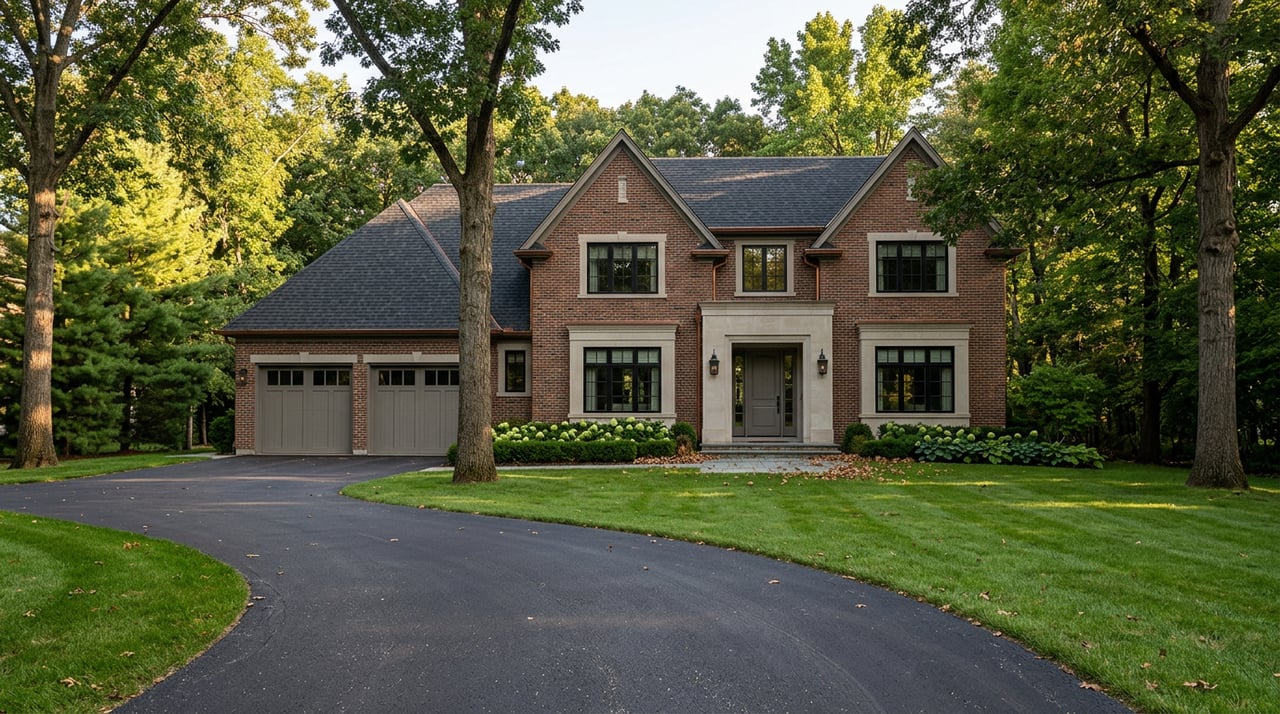
Craving more elbow room without giving up convenience? If you imagine a long driveway, mature trees, and the kind of quiet you can actually hear, Inverness might be your next move. You’ll find space, privacy, and a close-knit community feel, plus easy access to daily needs in nearby town centers. In this guide, you’ll learn what one-acre living looks like in Inverness, how daily life works, commute options, and the key checks to run before you buy. Let’s dive in.
Why Inverness acreage stands out
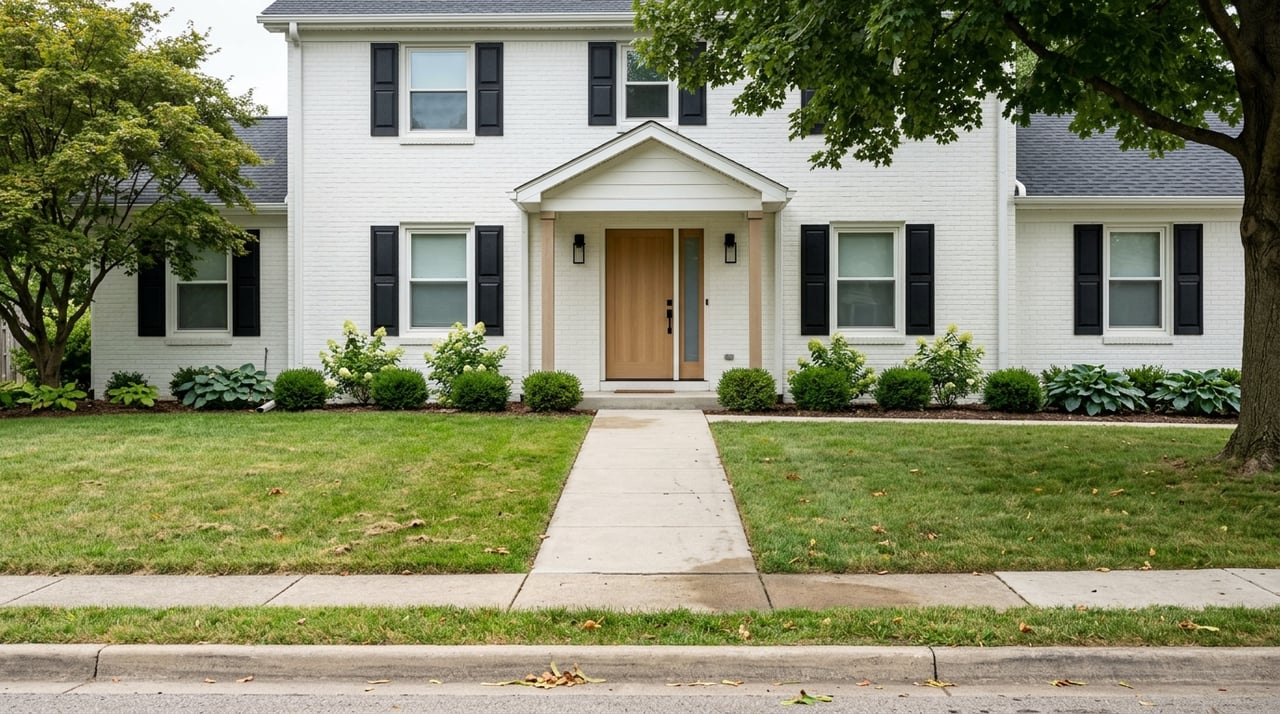
Inverness was planned with a one-acre mindset. Much of the village is still designated A‑1 Residential, which means a one-acre minimum in many areas. You can see this pattern on the official village zoning map and in the community’s early planning history. The result is generous lots, wooded buffers, and homes set back from the street for a calm, private feel. For historical context on how the village design took shape, the Inverness community history page offers a helpful overview.
Streets, scenery, and quiet
Expect curving roads that follow the land, not a tight grid. Many blocks have long driveways, natural screening, and fewer fences, which adds to the sense of separation. Commercial space inside the village is limited, so you’ll drive a short distance to Palatine or Barrington for groceries, dining, and services. That trade-off is part of the appeal if you want a primarily residential setting.
Outdoor life on your doorstep
Neighborhood parks and programs
For everyday play and local events, the Inverness Park District runs small community parks like North Park, South Park, and Maggie Rogers Park. You’ll find playgrounds, courts, fields, and a fieldhouse, along with youth and adult programming. Check the Inverness Park District locations to see what’s close to your street.
Big nature at Deer Grove
When you want miles of trails and a true forest preserve experience, Deer Grove is a quick drive. It offers paved and unpaved trails, prairie restoration areas, and seasonal activities like sledding and camping. Get a sense of scope from the Forest Preserves’ Deer Grove planning materials.
Golf options nearby
Golfers typically head to Palatine Hills, a full-service public course run by the Palatine Park District. It’s a short drive and a reliable option for tee times, leagues, and lessons. Explore offerings and course details on the Palatine Hills Golf Course site. Many residents also play at area courses in Barrington and nearby suburbs.
Equestrian note
Equestrian programs have historically been available at nearby facilities such as Palatine Stables, though availability has been subject to updates and change. If riding is a must-have, confirm current programming and status with the park district or through the Palatine Park Foundation’s Palatine Stables page.
Commute and connectivity
Metra access and parking
Most residents drive to Palatine or Barrington on Metra’s UP‑NW line to reach downtown Chicago. Palatine station is about 26.8 miles from Ogilvie, while Barrington is about 31.9 miles. Schedules vary by express or local trains, so review the latest details on the Palatine Metra station overview and test your door-to-door route at your commute time. Station parking rules and availability differ, so plan a trial run for your specific neighborhood.
Driving options
You’ll have multiple routes to the region’s job centers and O’Hare via I‑90, I‑290, and IL‑53, plus area arterials. Many Inverness residents primarily drive, with commute times affected by route and time of day. For a property-level estimate, check real-time routing from the address you’re considering.
Schools and services you should verify
Parts of Inverness are served by Palatine-area districts for elementary and junior high, and others by Barrington-area districts. High school assignment can include Township High School District 211 or Barrington 220 depending on address. Because boundaries vary, run an address-level check directly with the district before you buy. For property services, permits, and flood hazard resources, start with the village’s building and permitting page and verify septic versus sewer and other utilities at the parcel level.
Buyer checklist for acreage homes
Use this quick list to stay organized as you tour properties:
- Get a current survey. Acreage parcels can be irregular. Confirm deeded acreage, easements, and setbacks.
- Verify utilities. Some lots rely on private septic or wells. Ask for maintenance records and budget for future servicing.
- Inspect trees and grading. Mature trees and larger yards mean seasonal care, snow removal planning, and potential limb management.
- Price insurance thoughtfully. Wooded settings and larger homes can affect premiums. Confirm coverage for trees, wind, and fire.
- Note zoning and permits. Large lots still follow village code. Discuss additions or accessory structures with the building department.
- Confirm commute logistics. Drive to your preferred Metra station at commute times and test parking and pickup options.
Market context and carrying costs
Inverness sits in a higher-end segment of the northwest suburbs with strong single-family ownership. According to DataUSA’s Inverness profile, median property value is in the mid-700 thousand dollar range and median household income trends in the low-to-mid 200 thousand dollar range. Property taxes are substantial in dollar terms, so include them in your monthly budget. For exact taxes and exemptions, review parcel history through the Cook County assessor and confirm any changes before closing.
Home styles and neighborhoods
You’ll find a mix of eras and architecture. Early cottages from the 1930s to 1950s sit alongside larger custom homes and estates built from the 1970s onward. Many properties have seen renovations or replacements over time, so interior finishes can vary widely even on similar lot sizes. For a historical snapshot of how Inverness developed, the Encyclopedia of Chicago entry on Inverness provides useful background.
Is Inverness acreage right for you?
If you value privacy, green space, and a calm streetscape, Inverness delivers that country-estate feel with suburban convenience. You’ll drive a bit more for errands and train access, but you gain breathing room both inside and out. With careful due diligence on zoning, utilities, and commute logistics, you can land the space you want without losing your connection to the region.
Ready to explore Inverness acreages or prep your current home for market? Connect with GetBurbed for data-driven guidance, premium marketing, and a streamlined plan from first tour to final closing.
FAQs
How big are lots in Inverness on average?
- Many neighborhoods follow a one-acre minimum pattern, reflected in the village’s A‑1 zoning, though some later subdivisions include smaller parcels. Always verify the lot size on the parcel’s survey and the village zoning map.
Will I feel isolated living on an acre in Inverness?
- Acreage brings privacy and green buffers, but the community is active through local clubs and park programming. You get space without sacrificing a neighborhood feel.
How do Inverness residents commute to downtown Chicago?
- Most drive to Palatine or Barrington stations on the UP‑NW Metra line. Travel time depends on express or local trains, parking, and your specific address, so test a morning and evening run.
Where do you shop and dine if Inverness is mostly residential?
- Residents typically go to nearby Palatine or Barrington for groceries, restaurants, services, and events. It’s a short drive for errands, which keeps village streets quiet.
What should I verify before buying an acreage property in Inverness?
- Confirm a recent survey, septic versus sewer, tree and drainage conditions, insurance needs, and any plans for additions with the village building department. Check school assignment at the address level and review property taxes with the assessor.